![Bangladesh using Litton Das as prop for political gains [Source: AFP]](https://onecricketnews.akamaized.net/parth-editor/oc-dashboard/news-images-prod/1767537526979_litton_das.jpg?type=hq) Bangladesh using Litton Das as prop for political gains [Source: AFP]
Bangladesh using Litton Das as prop for political gains [Source: AFP]
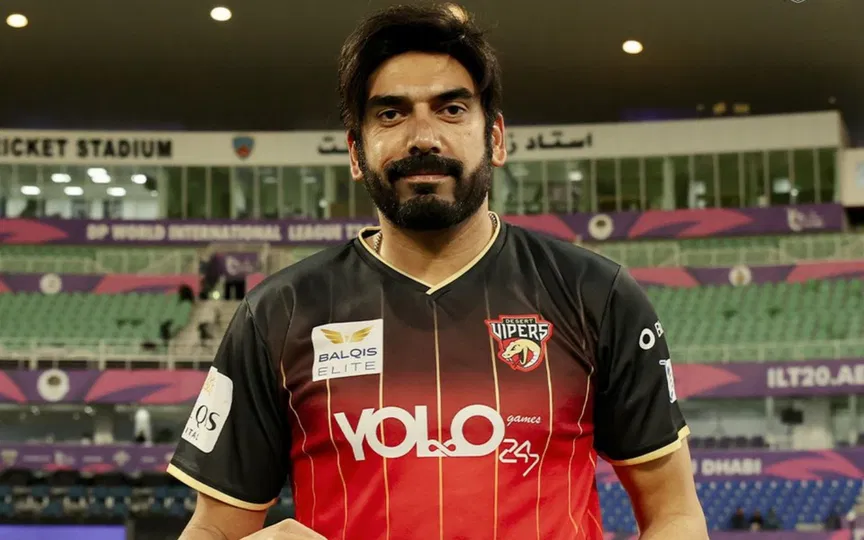
Bangladesh formally announced its squad for the T20 World Cup 2026, with Litton Das, a Hindu-faith follower by birth, named as captain. On paper, it looked like a routine leadership decision since Das has been leading the T20 side for a while now.
But the timing told a different story. This appointment came amid rising diplomatic tension, international scrutiny, and deeply disturbing reports of violence against Bangladesh’s Hindu minority.
And that is where the decision begins to feel less like sport and more like symbolism.
Bangladesh’s Hindus made to suffer
Cricket, in South Asia, is never just cricket. It has long been used as a mirror of national identity and, at times, a shield. By choosing a Hindu cricketer to lead its national team, it seems that Bangladesh wants to project a united and inclusive image.
It’s a subtle message but a clear one nonetheless. Look, we reward Hindus too. Yet for many observers, this feels less like equality and more like optics.
In recent weeks, there have been reports of instances of lynching, burning down homes, and intimidation against the Hindu population in Bangladesh.
Families have been displaced, houses set on fire, and lives been lost. Dignity and basic human rights have been violated on convenience. These are not isolated incidents but part of a growing pattern that human rights groups have flagged repeatedly.
Against this backdrop, elevating Litton Das risks turning a human tragedy into a public relations exercise. That is where the hypocrisy lies.
Litton Das is merely a prop of Bangladesh’s politics
If equality truly existed, it would not need a press release or a captain’s armband to prove it. It would be visible on the streets, in police action, and in swift justice.
Instead, it seems cricket is being used as a smokescreen. It's a clean, globally televised stage to counter uncomfortable questions about what is happening away from the stadium lights.
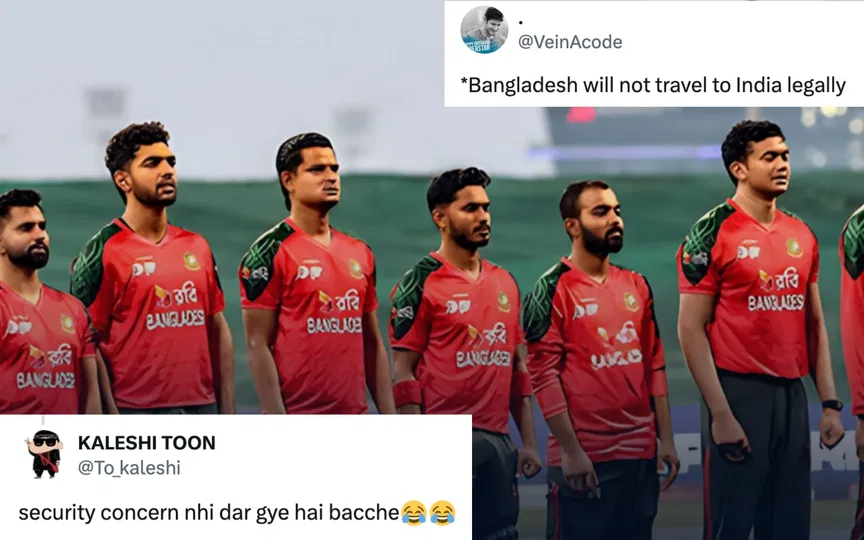
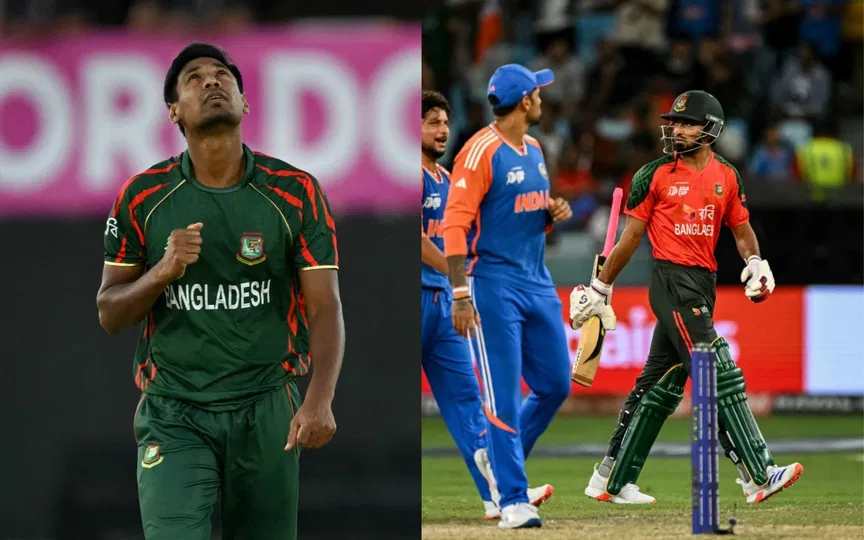
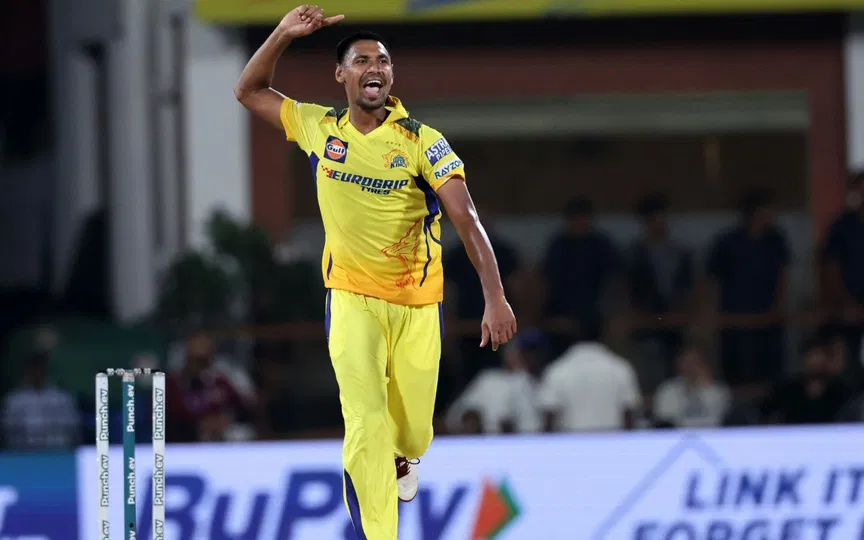
The political subtext is also hard to ignore. With Bangladesh refusing to travel to India for the T20 World Cup and relations strained following Mustafizur Rahman’s IPL exit, the appointment also appears designed to send a message outward.
Through this depiction of a Hindu captain, Bangladesh is then able to deflect accusations and turn the tables by positing moral equivalence, or superiority, when it comes to intolerance.
But symbolism without substance rings hollow.
Cricket has become optics for Bangladesh
Litton Das himself is not the issue. Let's be clean that there’s nothing wrong with him. He appears to be a professional who has earned everyone’s respect and a deserving captain.
But, it’s the burden of identity over bat performance that’s problematic. In doing so, the board risks reducing a real person into a token and real suffering into background noise.
History shows that when sport is used to mask injustice, it rarely ends well. Cricket can unite, inspire, and heal. But only when it reflects reality, not when it is asked to rewrite it.
Using a national team to launder reputations while minorities live in fear is not unity. It is convenience.
In the end, leadership is not about who wears the armband. It is about who is protected when no cameras are watching.
Until Bangladesh addresses the violence faced by its minorities with honesty and action, no captaincy announcement, however symbolic, can change the story.
 (1).jpg?type=mq "South Africa's Cricket Schedule 2026")