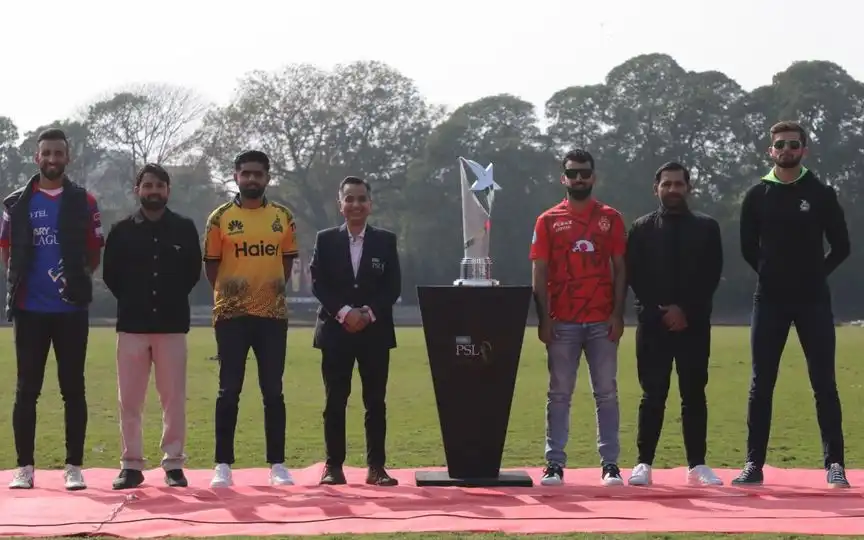
![PSL roadshows highlight serious problems [Source: @Alishaimran111/X.com]](https://onecricketnews.akamaized.net/parth-editor/oc-dashboard/news-images-prod/1765108428914_Pakistan_Super_League_PSL.jpg?type=hq) PSL roadshows highlight serious problems [Source: @Alishaimran111/X.com]
PSL roadshows highlight serious problems [Source: @Alishaimran111/X.com]
By all appearances, the Pakistan Super League (PSL) seems to be on the rise. The PCB’s roadshows in London and the United States, complete with Babar Azam, Wasim Akram, and Ali Zafar, paint a picture of a league stepping onto the global stage.
Lights, cameras, and celebrity appearances, it all looks impressive in press releases and glossy social media clips.
But scratch beneath the surface, and the PSL’s international ambitions reveal a more sobering reality.
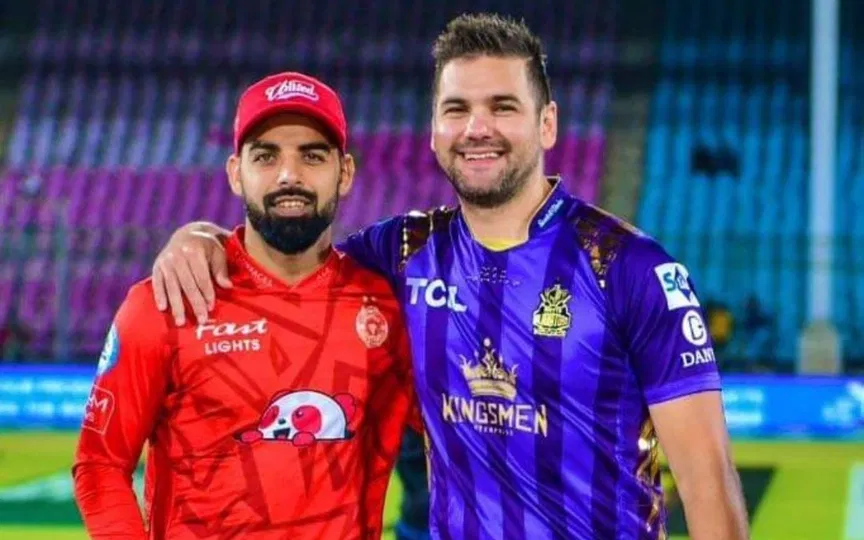
PSL is struggling to stay relevant
For a league that boasts itself as Pakistan’s premier cricket property, there’s an uncomfortable truth that the PSL struggles to attract big sponsors. KFC and Pepsi are a few of the only international sponsors interested in venturing into Pakistan.
10 years since their establishment, and they still don’t have the money and sponsors to conduct a full-fledged auction. An outdated draft system with limited salary caps is a clean definition of a league drenched in losses.
A truly established sports brand doesn’t need to chase sponsorship deals across oceans. Sponsors seek you out. They line up because they see value, visibility, and consistent engagement.
The PSL, it seems, is doing the opposite. They’re flying to London and the US in the hope that the sparkle of stars will lure investors and corporate partners.
Even domestically, the story isn’t much brighter. The PCB markets the league in its own backyard like a fledgling tournament, rather than a world-class sporting spectacle.
Stadiums in Karachi, Lahore, and Multan, where tens of thousands flock to watch, feel under-promoted, poorly constructed and sometimes, frankly, amateurish.
Compare that to the ICC events or IPL matches, where every inch of the venue, every camera angle, and every fan touchpoint is a showcase for sponsors and engagement.
The PSL’s domestic marketing often feels like an afterthought, leaving fans and brands underwhelmed.
PSL’s financial struggles are no longer hidden
The league’s financial model only amplifies the struggle. Franchise owners have been grappling with fees in US dollars while their revenues remain in rupees, a mismatch that has historically squeezed profitability.
The public feud with Multan Sultans owner Ali Tareen further exposed how unsystematically the PSL and its finances are handled.
Even now, despite a new revenue-sharing model and financial fixes, franchises remain cautious, and the lack of foreign investors or high-profile sponsors reflects this caution.
The roadshows, in this context, are less a sign of strength than a necessity born out of survival instincts.
Yet the PSL continues to showcase its narrative of success. Social media campaigns are filled with celebrity appearances, high-profile matches, and the return of international stars, most of whom are either retired from international cricket or rejected from leagues like IPL.
But visibility doesn’t always equal relevance. A league can parade its best players and glitzy roadshows, yet struggle to capture sustained attention and commercial heft.
The reality is that beyond photo ops and PR, the PSL is fighting to stay visible in an increasingly crowded T20 landscape, competing not only with the IPL and BBL but now also the ILT20 and SA20.
PSL needs urgent surgery, not flashy roadshows
The human element, though, tells a different story. Fans love the league. Players cherish the exposure.
And as for Pakistani cricket, the PSL has served to bring international cricket back home, given more opportunities to young talent, and created moments of national pride.
But these achievements, as important as they are, do not mask the league’s marketing shortcomings and sponsorship woes.
The glamour of roadshows cannot substitute for a solid domestic strategy or the kind of organic commercial interest that truly defines a global sports brand.
In essence, the PSL is at a crossroads. It can continue to stage roadshows and create the illusion of international relevance, or it can address the structural issues that hamper growth, which are marketing, sponsorship, and brand positioning.
Until then, the PSL may remain a league that looks big on paper but, in reality, is struggling to stay relevant.
 (1).jpg?type=mq "RIP BazBall")