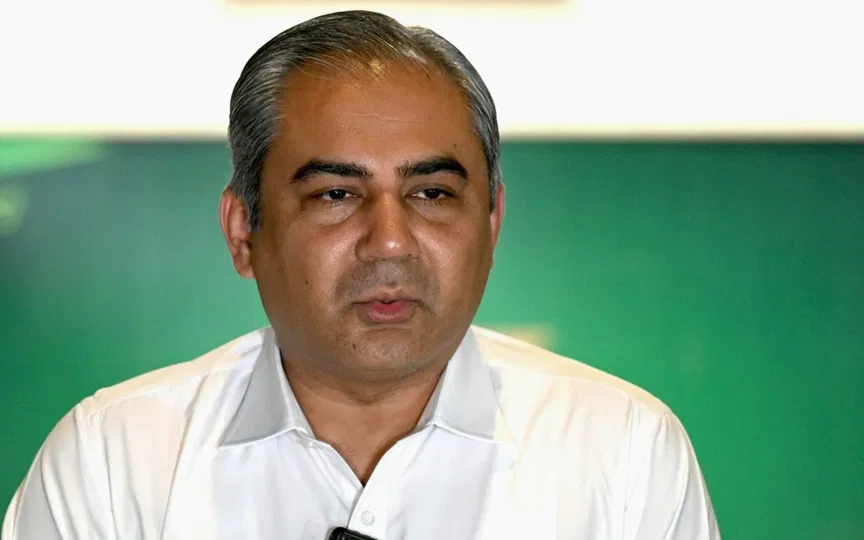
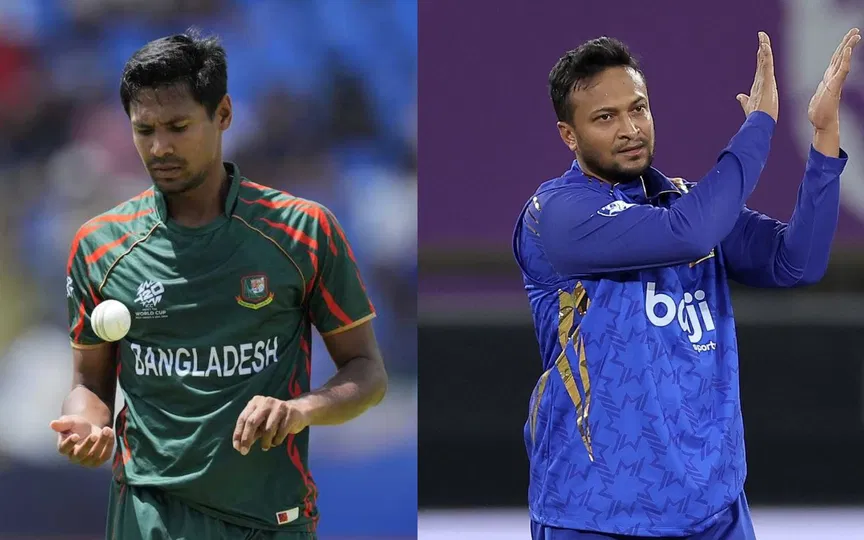
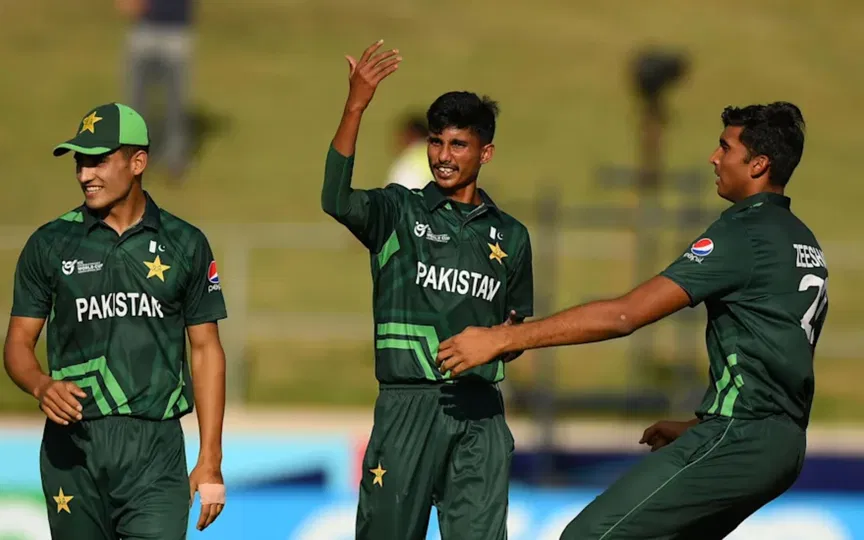
(1).jpg?type=hq) India (L), Pakistan (C), and Bangladesh (R) (Source: AFP)
India (L), Pakistan (C), and Bangladesh (R) (Source: AFP)
The IPL ouster of the Bangladesh pacer Mustafizur Rahman has sparked a new tension between India and Bangladesh. India decided to axe Fizz from the IPL in light of the ongoing geopolitical turmoil with Bangladesh. The developments in the India-Bangladesh cricket rift are reshaping Asian cricket's dynamics after an established India-Pakistan crisis.
After the BCCI asked KKR to release Mustafizur Rahman ahead of IPL 2026, the Bangladesh Cricket Board (BCB) was quick to respond with a strong stance. In the same line of developments, the BCB also sought the relocation of their T20 World Cup 2026 games in India to another venue outside the host country.
The ongoing India-Bangladesh crisis is the second such episode in Asian cricket. Before it, the bilateral cricket relations between India and Pakistan have been getting worse with every passing year for the last 13 years. That said, here’s a dive into the factors due to which the dynamics of cricket in Asia will never be the same again.
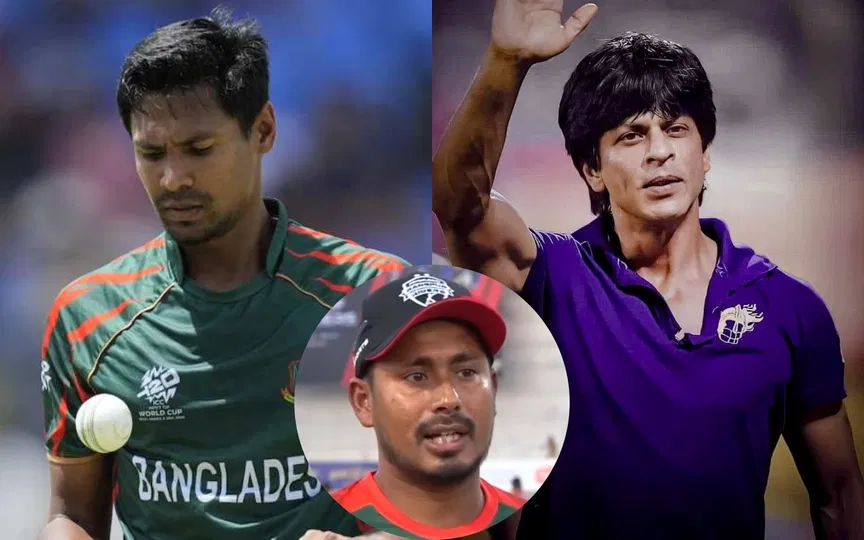
India-Pakistan-Bangladesh cricket relations: A tragic triangle of controversies
The smooth dynamics of Asian cricket took a first hit almost 18 years ago, in 2008, when India banned Pakistani cricketers from the Indian Premier League (IPL). India’s tough call came in the aftermath of the Mumbai terror attacks, where the Indian police arrested a Pakistani national.
Almost four years later, in 2012-13, India and Pakistan played the last ever bilateral series in India. It was also the last ever contest between both the teams in either India or Pakistan. Since then, both teams have played against each other only in the multi-team tournaments, be it the ICC tournaments or the Asia Cup.
The cricketing relations between India and Pakistan have been through a serious downfall amid deteriorating relations on the geopolitical turf. The ICC Champions Trophy 2025 was the first event in which both teams also agreed not to play in each other’s countries, even in ICC tournaments.
India-Bangladesh: Diplomatic tensions leave two friends divided at cricket turf
The same India-Pakistan path has been followed in India-Bangladesh cricket relations since the ouster of former Bangladesh Prime Minister Sheikh Hasina Wazed in 2024. The rise of anti-India powers and sentiments in Bangladesh has followed Hasina’s exit from power.
Besides that, the violence against the Hindu minorities in Bangladesh has also triggered a negative narrative about the country in the Indian diaspora. The escalation of geopolitical tensions further translated into a severe dent in the bilateral cricketing relations between the two countries.
Last year, the BCCI’s decision to postpone India men's and women's teams' tour to Bangladesh for a bilateral series was the first episode of this crisis. The second episode was initiated by the BCCI just a few days back when they removed Mustafizur Rahman from IPL 2026.
This step prompted the Bangladesh Cricket Board (BCB), as reflected in its recent controversial remarks regarding the BCCI and India. “The days of slavery are over,” said Bangladesh's Youth and Sports Adviser Dr Asif Nazrul in a media interaction on Sunday.
Therefore, what started with the rifts in India-Pakistan cricket relations has turned into a tragic triangle with the latest addition of the India-Bangladesh crisis into it.
.jpg)
Potential repercussions of these dynamics on Asian cricket’s future
The current geopolitical tensions in the subcontinent and the tense trajectory of India-Pakistan-Bangladesh relations will have long-lasting implications for the future of Asian cricket. It will start with a severe blow to the pattern and dynamics of the Asia Cup, the continental tournament organised by the Asian Cricket Council (ACC) for the past 41 years.
The tournament has already been played in a hybrid model in the last few years whenever it was scheduled to be played in India or Pakistan. The decision was made because neither of the two cricket boards (BCCI and PCB) wants to send their teams to each other’s countries.
For instance, Pakistan was the official host for the Asia Cup 2023, but India’s matches were played in Sri Lanka, including the tournament’s final. Later, the same practice was followed in the Asia Cup 2025, which was supposed to be hosted officially by India before it was moved to the United Arab Emirates (UAE).
Now, what started as a binomial disturbance in Asian cricket will turn into a shattered trinomial equation owing to the latest India-Bangladesh fiasco.
It will severely affect the entire philosophy of the Asia Cup for the following reasons.
- India will not send their team to play if Pakistan or Bangladesh hosts the tournament.
- Pakistan and Bangladesh will not send their teams if India hosts the tournament.
The aforementioned reasons will be taken into consideration in light of the geopolitical disturbance in the subcontinent. However, it completely contradicts the actual vision of the Asia Cup, which was supposed to establish cordial relations in Asia's cricket-playing nations.
Hence, the headache surrounding the Asia Cup scheduling, due to tensions between India and Pakistan, will now increase in size.
ACC’s role: The toothless tiger watching Asian Cricket’s fall
In the broader context of cricket's drowning dynamics in Asia, a significant concern is the Asian Cricket Council’s (ACC) role in handling this fiasco. The ACC’s role in handling the sub-continent crisis has been seriously under the scanner since the PCB chief Mohsin Naqvi took over the role of ACC chief.
His act of taking the trophy away from the Asia Cup 2025 champions, India, drew backlash not only in Asia but also on the international cricketing circuit. The question is quite simple: if the chief of a continental cricket governing body is doing all this stuff, how can one expect it to be capable of resolving the India-Pakistan-Bangladesh cricket crisis?
The ACC was expected to persuade all three countries in the rift to come together on a single page for the betterment of Asian cricket. But Naqvi’s tenure has turned a powerful cricketing body into a toothless tiger silently watching the fall of an established cricket legacy in Asia.