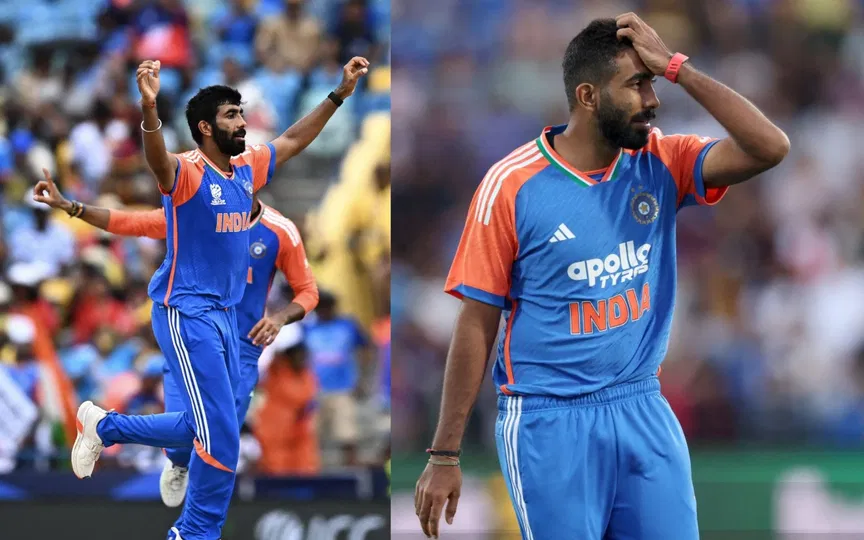
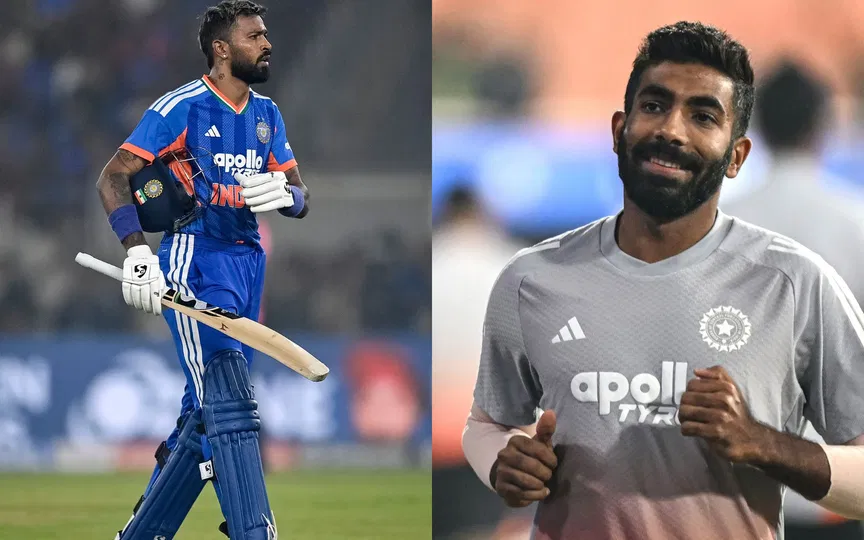
![Why Jasprit Bumrah is a no-show in ODIs [Source: @CricCrazyJohns/X.com]](https://onecricketnews.akamaized.net/parth-editor/oc-dashboard/news-images-prod/1767544761072_Jasprit_Bumrah_Rest_ODIs.jpg?type=hq) Why Jasprit Bumrah is a no-show in ODIs [Source: @CricCrazyJohns/X.com]
Why Jasprit Bumrah is a no-show in ODIs [Source: @CricCrazyJohns/X.com]
For a country like India, which is obsessed with numbers, this one refuses to go away. 776 days. That is how long it has been since Jasprit Bumrah last played an ODI for India.
In that time, India have played multiple bilateral series, experimented with new fast bowlers, and quietly moved on in the 50-over format, without their most lethal weapon.
The question now isn’t why Bumrah has been rested. It’s whether India are resting him too much.
When did Jasprit Bumrah last play an ODI?
Bumrah’s last ODI appearance came in the 2023 ODI World Cup final, a night etched into Indian cricketing memory for all the wrong reasons. An unbeaten India lost the final to Australia at Ahmedabad.
In that game, Jasprit Bumrah bowled 9 overs, conceding 43 runs and picking up 2 wickets of Mitchell Marsh and Steve Smith.
However, his spell wasn’t enough, as Travis Head’s 137 off 120 balls knock guided Australia to their fifth world title.
After that match, Bumrah vanished from the 50-over format. What followed was not an immediate injury announcement or a clear timeline.
Instead, it was a slow drift into absence. Back issues resurfaced. Workload concerns grew louder. ODIs quietly disappeared from his calendar.
Since then, Bumrah has returned in Tests and T20Is, bowled match-winning spells, and proven that when fit, he remains among the best fast bowlers in the world. Yet ODIs remain untouched territory.
Why India are walking on eggshells with Bumrah?
To understand this caution, you have to understand Bumrah’s body. Fast bowling is unnatural. Bumrah’s action is even more so. His hyperextension, wrist position, and explosive run-up generate pace and movement.
But they also place relentless stress on the lower back. This is not just a theory but a history. India have already seen what happens when Jasprit Bumrah is pushed too far.
Stress fractures, long layoffs, and rushed comebacks have nearly derailed his career once before. The BCCI and team management are determined not to let that happen again.
Then there is the calendar. IPL, Tests, T20Is, overseas tours, India’s schedule leaves little breathing room. In such chaos, ODIs have become the format that gets sacrificed, especially when the next T20 World Cup in 2026 is closer than the ODI World Cup in 2027.
From a medical and strategic standpoint, the logic makes sense. But from a cricketing standpoint, it raises uncomfortable questions.
The problem with overprotection
ODI bowling is not just about pace and skill. It is about rhythm, endurance, and reading phases of a 50-over game. These are instincts that fade without repetition.
Jasprit Bumrah has not bowled a full ODI spell with an old ball, under scoreboard pressure, across long spells in over two years. No amount of T20 overs can replace that.
As India move closer to 2027, the risk shifts. The danger is no longer injury alone. It is rust.
Fast bowlers need match load, not just gym sessions and controlled returns. Without ODI game time, Bumrah’s return could feel more like a restart than a continuation.
Why ODIs were chosen as the format to drop?
The decision is also about hierarchy. Tests remain sacred. T20Is are tied directly to World Cups and franchise value.
ODIs, stuck between the two, have become the compromise format, important but postponable since the team is overly dependent on their star bowler in the other two formats.
Moreover, India believe they can rebuild Bumrah’s ODI rhythm later. The question is, how late is too late?
What should India do next with Jasprit Bumrah?
There is a middle ground between risking Jasprit Bumrah and wrapping him in bubble wrap.
After the 2026 T20 World Cup, ODIs must return to his roadmap. Not every series. Not meaningless fixtures. But select high-quality ODI series where his workload is monitored and spells are capped.
India does not need Bumrah bowling 10 overs every match. They need him available, confident, and battle-hardened when the 2027 World Cup arrives.
Final word
Jasprit Bumrah is not just another fast bowler. He is a once-in-a-generation asset. Protecting him is necessary. Sheltering him indefinitely is not.
776 days of rest might have saved his body. But now, India must ensure it doesn’t cost them readiness. For now, the focus can stay on the 2026 T20 World Cup. But soon, the ODI clock must start ticking again.
Because great fast bowlers don’t just need time off. They need the ball in hand.