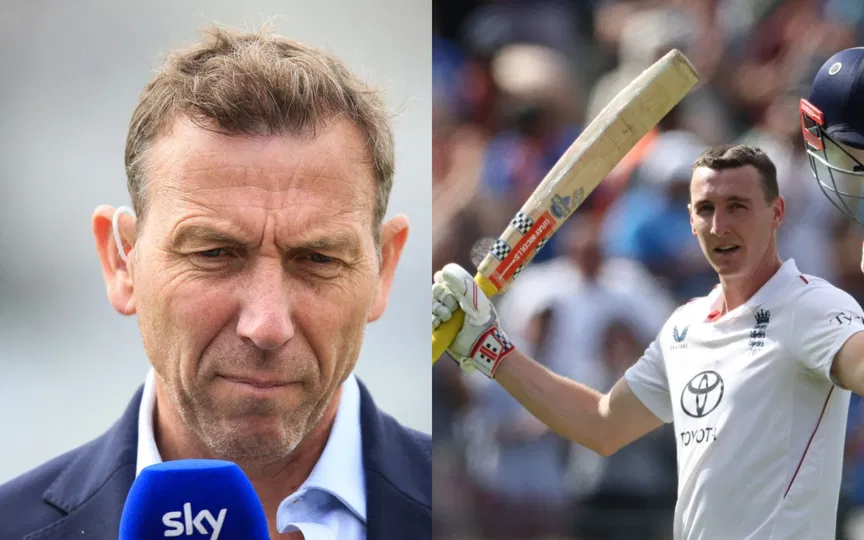
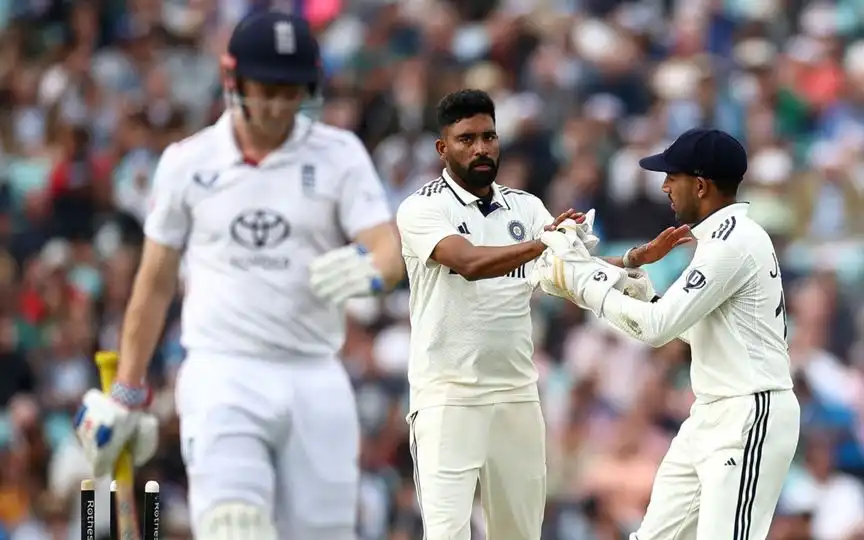
![Harry Brook again lets down England in Ashes [Source: @TelegraphSport/X.com]](https://onecricketnews.akamaized.net/parth-editor/oc-dashboard/news-images-prod/1764932943059_Harry_Brook_England_Ashes_2025.jpg?type=hq) Harry Brook again lets down England in Ashes [Source: @TelegraphSport/X.com]
Harry Brook again lets down England in Ashes [Source: @TelegraphSport/X.com]
There was a brief moment at the Gabba when it felt like Harry Brook was settling into something significant. Joe Root was in full control at the other end, and the pink ball had briefly lost its menace.
Suddenly, England finally looked like they belonged in the second Ashes Test of the 2025/26 series.
Brook had moved to 31 and looked purposeful, fluent, and in command of his craft. Then, just as quickly as the momentum had arrived, it vanished. A loose, slashing drive. A thin edge. Slips. Gone.
The silence that followed his dismissal said more than any statistic ever could.
Harry Brook is too good for these mistakes
This is the frustration that now trails Harry Brook. It’s not about lack of ability, but an overabundance of it, carelessly spent.
Brook isn’t a fringe player trying to find his place in Test cricket. He isn’t a wide-eyed debutant.
He is 26, playing his 31st Test, supremely gifted, and already talked about in the same sentence as the very best. That is exactly why his dismissals sting so much more. Not because he fails. But because he fails himself.
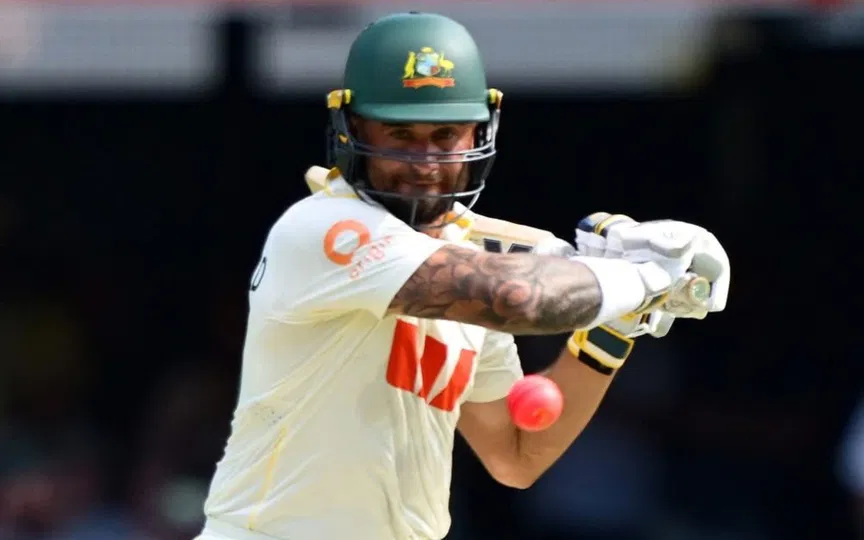
Against Mitchell Starc at Brisbane, Harry Brook had no reason to go chasing wide. He had time. He had support. He had the game, momentarily, in England’s hands.
Yet for the fourth time in just over five Tests, Starc outthought him. That’s not a coincidence anymore. It’s a pattern, and patterns in Test cricket are dangerous things.
Talent without temperament is a ticking time bomb
Even more concerning is how familiar the scene felt. This was not an isolated lapse. Only weeks earlier in Perth, Harry Brook had flirted recklessly with a ball that needed nothing more than patience.
Before that, in England’s series against India, he gave his wicket away at key moments as his glittering starts followed premature exits. The numbers may not yet scream panic, but the trend whispers it convincingly.
Great Test batters are defined by awareness. It’s an understanding of the match situation, bowler rhythm, conditions, and risk. It’s not just about what shot you can play. It’s about when you should not.
This is where Harry Brook continues to misfire. His instincts, forged in white-ball cricket and celebrated for their fearlessness, are betraying him in the longest format.
There is a fine line between positive intent and careless surrender, and Brook keeps stepping over it.
Harry Brook must grow up in Test cricket
The tragedy in all of this is how easily fixable it feels. Harry Brook doesn’t need a technical overhaul. He doesn’t need to reinvent himself. He simply needs to add restraint to his brilliance.
The best version of Brook is not a muted one. It is a smarter one. One that understands that Test cricket is not won in moments of flair, but in stretches of discipline.
Joe Root, standing tall at the other end on Day 1, was a masterclass in maturity. It was the picture of a man who understands that sometimes the most aggressive act in cricket is refusal to chase, refusal to flash, and refusal to give in to the ego of domination.
Brook watched it unfold, ball after ball. The tragedy is that he didn’t stay long enough to learn from it.
England don’t have a Harry Brook problem. They have a Harry Brook waiting-to-be-greater problem. Because players like him don’t come often.
But if he doesn’t learn to respect the moment, Test cricket will keep punishing him, not with words, but with edges that fly to slip.
And none will hurt more than those that were never needed in the first place.