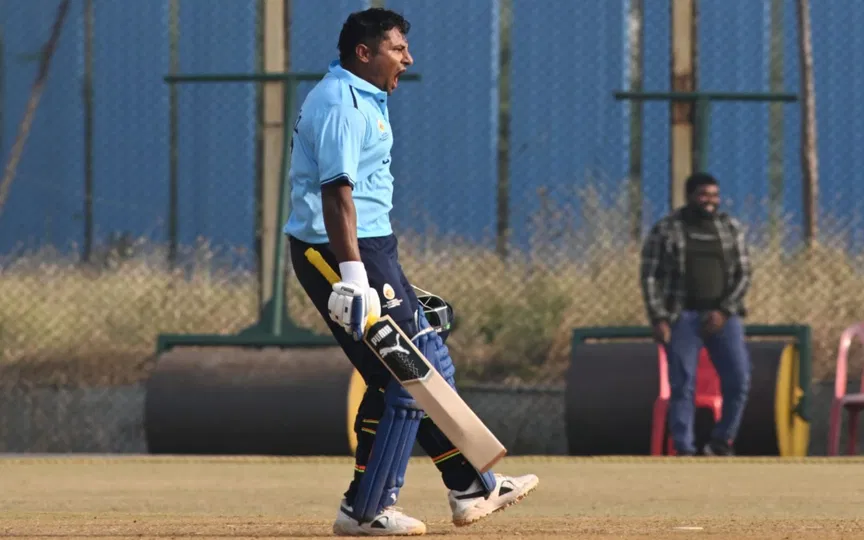
![Gautam Gambhir vs Rohit-Kohli [Source: AFP]](https://onecricketnews.akamaized.net/parth-editor/oc-dashboard/news-images-prod/1764666992809_Gautam_Gambhir (1).jpg) Gautam Gambhir vs Rohit-Kohli [Source: AFP]
Gautam Gambhir vs Rohit-Kohli [Source: AFP]
When Gautam Gambhir was named as the head coach of the Indian men’s cricket team on 9 July 2024, it marked the beginning of what many expected to be a fresh chapter in Indian cricket. Gambhir replaced Rahul Dravid, who departed after India’s successful T20 World Cup campaign. His arrival came with much fanfare, the board and fans alike anticipated renewed energy, perhaps even a new direction for a star-studded but ageing Indian squad.
Cracks began showing during BGT 2024-25
However, as the 2024-25 season unfolded, cracks began showing, especially during the tour of Australia for the Border–Gavaskar Trophy (BGT). India endured a disastrous series, losing 3–1, and the consequences were felt deeply.
The team struggled to find form. The captain at the time, Rohit Sharma, failed badly with the bat: over five innings, he managed just 31 runs. The low returns forced him to drop himself from the final Test in Sydney.
As the series losses mounted, rumours began swirling about discord behind the scenes. Several media outlets reported that Gambhir’s relationship with both Rohit and Virat Kohli had chilled considerably.
There were whispers that during selection meetings (for the Australian tour and beyond), Gambhir, along with selectors like Ajit Agarkar, pushed for new or fringe players rather than backing the seniors, leading to a divided dressing room.
Some claims even suggested that Kohli had been considered for Test captaincy, only for his commitment to Tests to be questioned minutes later by officials.
Notably, India’s poor performance in Australia, the BCCI reinforced a strict rule making it mandatory for all contracted players to participate in domestic cricket whenever they are not on national duty. The board had grown concerned that players were prioritising the IPL or rest over tournaments like the Ranji Trophy.
It warned that skipping domestic games could affect national selection and even central contracts. Due to this tightened guideline, both Rohit Sharma and Virat Kohli had to return to domestic cricket after many years away, showing how serious the board was about discipline and player commitment during a sensitive transition period.
Rohit and Kohli announced retirement amid poor Test form
Then came the bombshell: in May 2025, just weeks before India’s planned tour of England and the start of the new WTC cycle, Rohit Sharma announced his retirement from Test cricket. Five days later, Virat Kohli followed suit, also retiring from the longest format. The sudden back-to-back exits of two of India’s most prolific batsmen shook the cricket world.
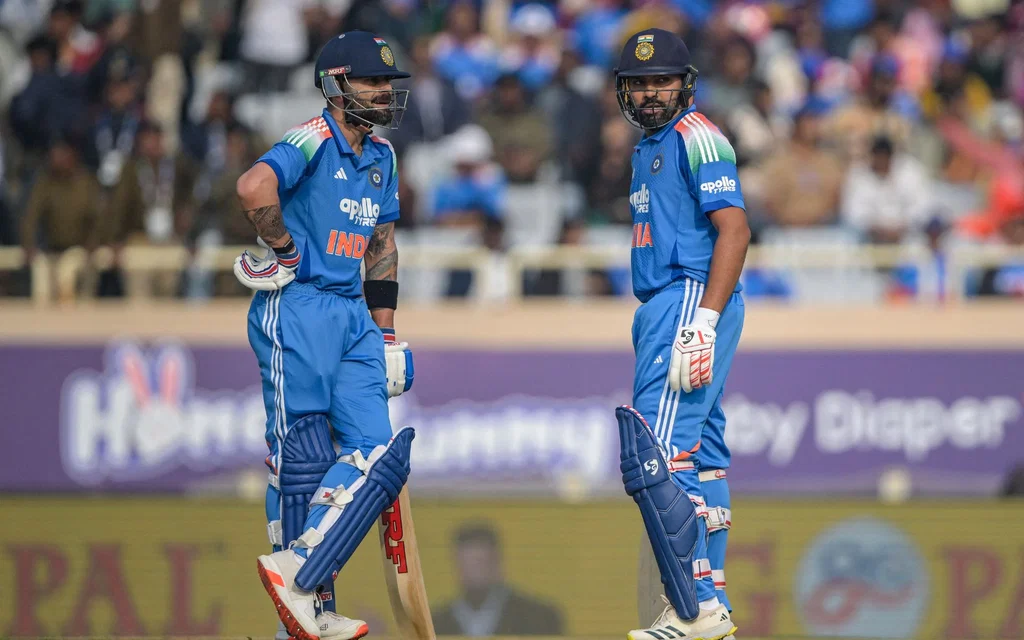
Officially, however, the board, led by Ajit Agarkar and other senior BCCI officials, denied that they had forced either player to retire. Agarkar clarified that Rohit and Kohli had personally approached him, saying they no longer wished to play Test cricket. He emphasised that the BCCI policy had always been that retirement decisions rest with players themselves.
Despite the denials, speculation continued. Some former cricketers and commentators suggested that this was less a voluntary exit and more a forced “transition”, that the management, including Gambhir and the selectors, wanted a clean break to build a younger red-ball side. Others said that after the humiliating defeat in Australia and poor individual form, it was a mutual understanding or even pressure that led to the Test retirements.
Kohli–Rohit rift with Indian coach deepens
Meanwhile, with Rohit’s Test and T20I retirements and Kohli’s Test retirement, the ODI format became their only avenue to represent India. BCCI officials insisted they were still valuable and wanted to be part of India’s plans, especially with the next ODI World Cup in mind. Still, rumours persisted about whether they would be around till 2027, if at all.
As for Gambhir, his role through this phase remained complex. Critics argue he pushed for a squad overhaul, leaving little room for senior players; supporters say he was merely doing what was needed, reshaping a side that had stagnated.
Officially, BCCI’s public stance remained that Rohit and Kohli stepped away voluntarily, and the coach-selector combination was not responsible.
In the latest development, reports suggest that the BCCI is set to hold a meeting on the matter, as the situation has deteriorated more than ever. BCCI is increasingly concerned about the worsening dressing-room environment during the ongoing ODI series against South Africa and may convene soon to address the issue. However, as per the TOI report, the meeting will not be held.
In effect, this saga, from Gambhir’s appointment to a disastrous Australia tour, to ongoing rumours of rifts, unfolded almost exactly the way early media reports suggested: tension built up over results and growing off-field drama.


.jpg?type=mq "All you need to know ILT20")
.jpg?type=mq "Mandhana and Palash's wedding date fixed")