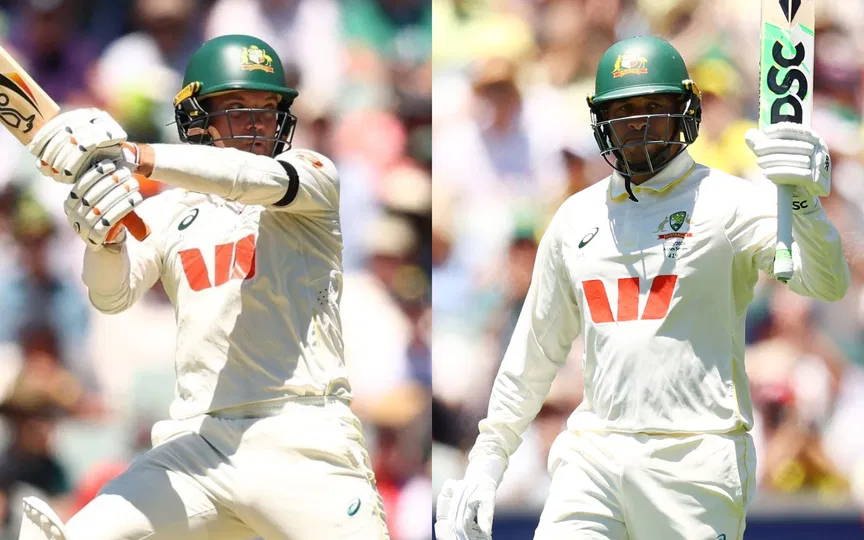
![Snicko stirs controversy in Ashes 2025 [Source: @BasitSubhani, @90_andypycroft/X.com]](https://onecricketnews.akamaized.net/parth-editor/oc-dashboard/news-images-prod/1766041361518_Snickometer_Ashes_2025_England_Australia.jpg?type=hq) Snicko stirs controversy in Ashes 2025 [Source: @BasitSubhani, @90_andypycroft/X.com]
Snicko stirs controversy in Ashes 2025 [Source: @BasitSubhani, @90_andypycroft/X.com]
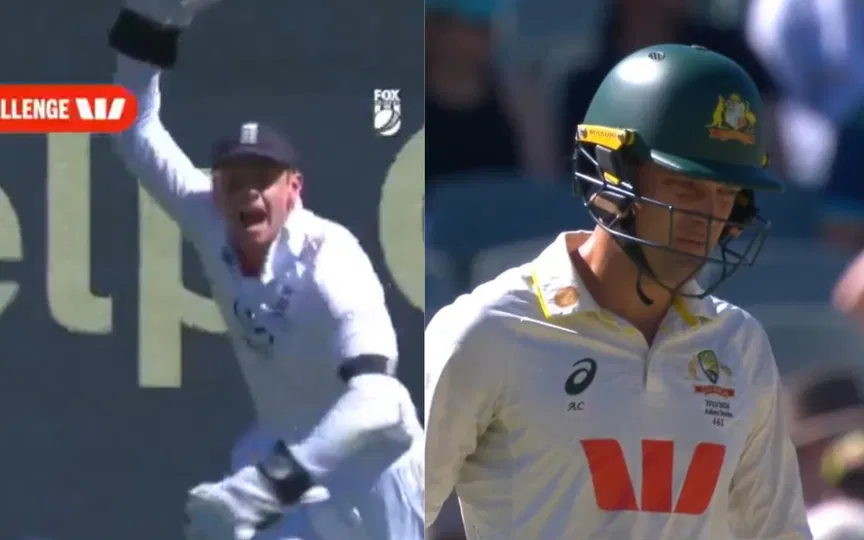
The ongoing Ashes 2025 series in Australia has reignited debate around one of cricket’s most trusted technologies, which is the Snickometer. It was during the Adelaide Test that both England and Australia most visibly questioned the credibility of the system.
After Alex Carey controversy, Jamie Smith’s innings also featured multiple decisions where sound spikes appeared either too early or ambiguous.
Even players seemed uncertain whether to trust the technology as exaggerated appeals and visible frustration resulted.
When players like Mitchell Starc openly say, “Snicko needs to be sacked," it suggests a deeper issue and a loss of confidence. Technology in cricket is meant to reduce doubt, not create it.
What exactly is a Snickometer?
Snickometer, often shortened to Snicko, is a technology used within the Decision Review System (DRS) to detect whether the ball has made contact with the bat or glove.
It does so by utilising the audio signals put out by highly sensitive stump microphones. When the ball passes the bat, the system generates a soundwave. A sharp spike at the precise moment the ball passes the bat is interpreted as evidence of an edge.
However, Snicko relies heavily on accurate audio-video synchronisation. Where there is not perfect synchronisation between the sound spike and the ball passing the bat, misidentifications may occur-and just that happened in the Adelaide Test.
In Alex Carey’s case, a visible gap between the sound spike and the ball passing the bat led to a not-out decision, despite a clear edge. Australia went on to benefit significantly, fuelling England’s frustration.
What is UltraEdge?
UltraEdge is essentially a more advanced, refined version of Snickometer. Although it is based upon the same principles of detecting sound spikes, with UltraEdge, improvements have been made in software, audio filtering techniques and the way in which information is presented visually.
It reduces background noise and offers more precise syncing between audio and video frames.
UltraEdge also presents the soundwave more clearly, making it easier for umpires and viewers to judge whether a spike is genuine bat-on-ball contact or just ambient noise (like the bat hitting the pad or the ball brushing clothing).
Most international matches today use UltraEdge, but Snicko is still used in a few series, including the Ashes 2025/26.
England’s review reinstated
Meanwhile, England protested that the Snickometer error denied them Alex Carey’s wicket in Adelaide. Technology supplier BBG accepted full responsibility, admitting an operator mistake.
Moreover, umpires also reinstated England’s lost review, while the ECB is reportedly planning to take the issue up with the ICC.