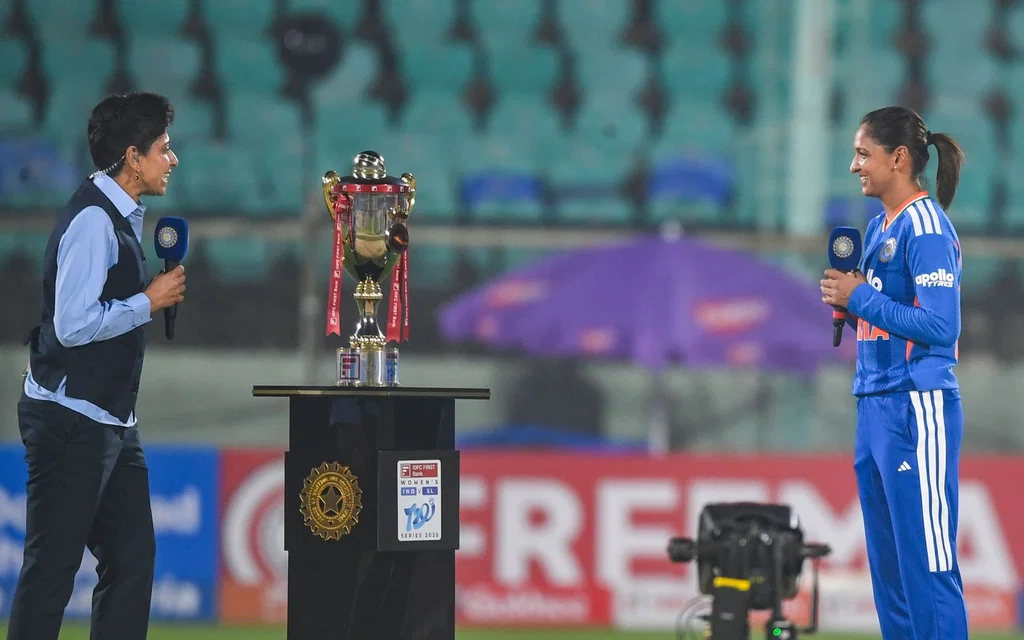
 Harmanpreet Kaur (Source: PTI)
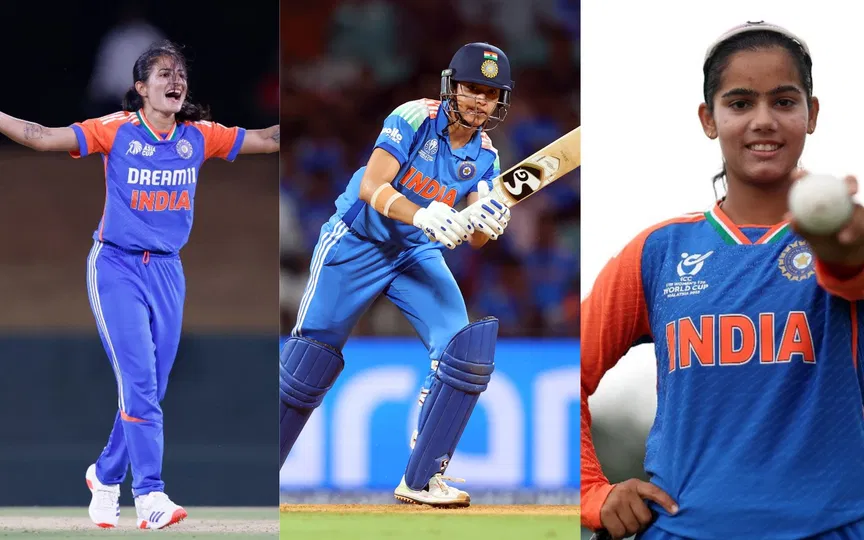
India’s all-format captain Harmanpreet Kaur achieved a remarkable milestone in the first T20I against Sri Lanka in Visakhapatnam, playing her 350th international match. She is the first Indian women cricketer to reach the glorious landmark.
Since making her India debut in 2009 against Pakistan in ODIs, Kaur has been a standout performer in women’s cricket. Known for her fearless batting and strong leadership, she has delivered many match-winning performances and become one of the most influential figures in Indian cricket.
A career defined by iconic moments
The Indian skipper’s international career is full of iconic moments, most notably her explosive 171* in the 2017 World Cup semi-final against Australia. Moreover, she recently became India’s first-ever women’s captain to lift the ICC Women’s World Cup, adding further weight to her legacy.
In T20Is, Kaur has played 183 matches. Adding nine Tests and 161 ODIs, she reached the 350-match milestone, making her one of the most capped women’s cricketers in international cricket.
Most international appearances in Women's cricket
| Players | Matches | Country |
| Suzie Bates | 355 | New Zealand |
| Harmanpreet Kaur | 350 | India |
| Ellyse Perry | 347 | Australia |
Table - Most international appearances in Women's cricket
Globally, Kaur is now second on the all-time list of women’s cricket appearances, just behind New Zealand’s Suzie Bates, who has 355 caps for her country. Australia’s all-rounder Ellyse Perry ranks third with 347 international matches.
Looking at the numbers, Kaur's contributions with the bat exceed 8,000 runs across formats, including eight centuries, while she has also taken 75 wickets, demonstrating her all-round prowess over a career spanning more than 15 years.
Harmanpreet Kaur’s 350-match milestone is more than just a number, it is a testament to her consistency, dedication, and impact on the game. From a young girl with big dreams from Punjab to World Cup-winning captain, she continues to redefine Indian women’s cricket and set benchmarks for future generations.