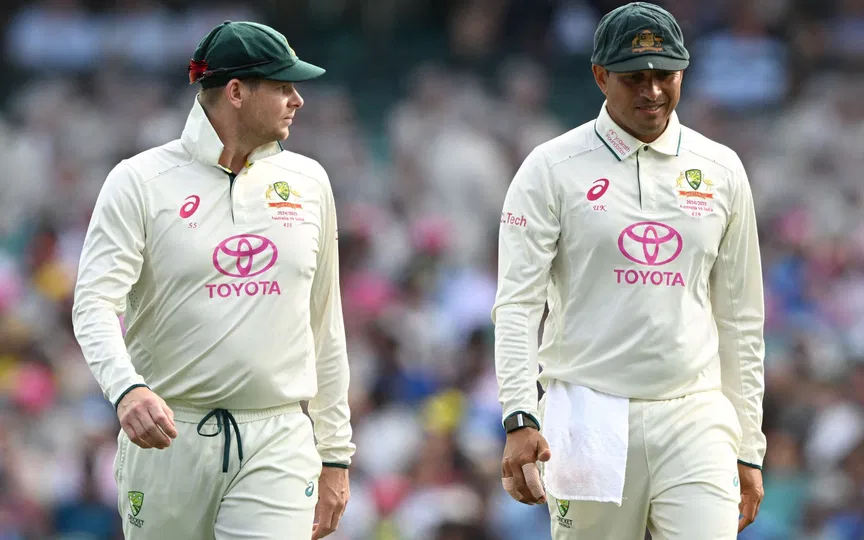
![Usman Khawaja's problematic farewell message [Source: @MaulingWallSt/X.com]](https://onecricketnews.akamaized.net/parth-editor/oc-dashboard/news-images-prod/1767455657468_Usman_Khawaja_Retirement_Australia.jpg?type=hq) Usman Khawaja's problematic farewell message [Source: @MaulingWallSt/X.com]
Usman Khawaja's problematic farewell message [Source: @MaulingWallSt/X.com]
Retirement is a very personal and emotional moment in any athlete's life. Similarly, Usman Khawaja’s retirement should have been a moment of uncomplicated celebration.
88 Test matches, a journey from a modest Sydney upbringing to the Baggy Green, and a career that inspired thousands of children who saw themselves in him.
Instead, his farewell press conference became something else entirely, a long, emotional reckoning with racism, politics, identity and grievance.
Cricket, the very reason he was there, felt almost incidental. That disconnect is what left many uneasy.
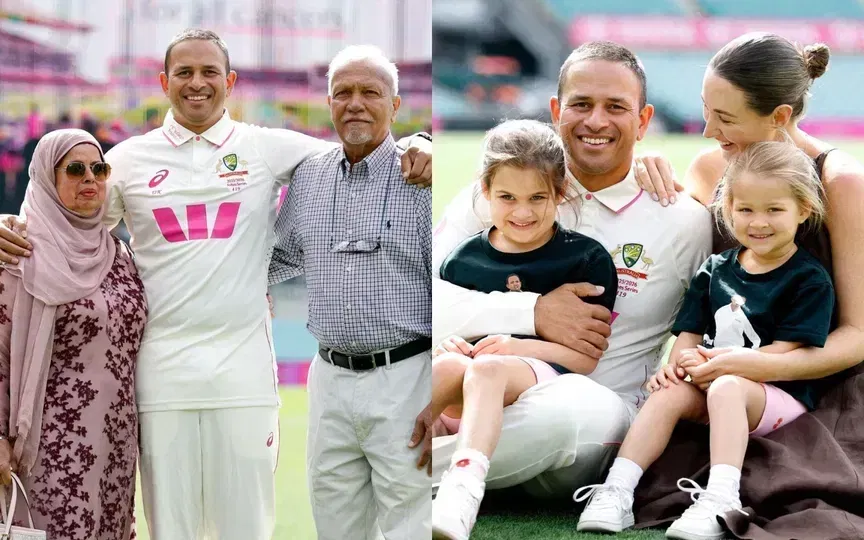
Did Usman Khawaja play the victim?
No one denies Khawaja’s lived experiences. No one disputes that racism exists in sport or society. And no one should judge an athlete for speaking about faith, belonging or injustice. Freedom of speech is every individual's right.
But timing matters. Context matters. And so does balance. A retirement presser is meant to close a chapter and to reflect, to thank, and to celebrate the game that gave everything and took its toll in return.
Usman Khawaja, instead, chose to frame his farewell largely through the language of victimhood.
What made it jarring was not that he spoke about discrimination, but that he spoke as if Australian cricket had been an adversary, not an enabler.
This is the same system that backed him across 15 years, selected him for 88 Tests, trusted him at the top of the order, and stood by him even when he courted controversy well beyond the boundary rope.
Khawaja failed his supportive teammates
His teammates, in particular, have repeatedly shown public and private support. When ICC regulations and public opinion turned against Usman Khawaja for making political statements, the Australian dressing room did not isolate him.
They respected his faith to the point of changing long-standing champagne celebrations. Pat Cummins halted post-Ashes rituals so Khawaja could stand comfortably among his teammates.
That was not tokenism. It was inclusion in its most genuine form. Yet none of that warmth came through in Khawaja’s tone.
Media scrutiny was wrongly judged as racism
Instead, the press conference sounded less like gratitude and more like a complaint ledger. Media scrutiny became racial stereotyping. Selection debates became culturally biased.
Criticism, a constant companion for every international cricketer, was framed as uniquely targeted.
By repeatedly emphasising that he was “Pakistan-born” and “Muslim” in his farewell, Usman Khawaja blurred the line between personal identity and professional accountability.
Australia didn’t just give Khawaja a cap. It gave him a platform, wealth, stability, global respect and a lifestyle that millions only dream of.
It gave him the freedom to speak on global politics without fear of institutional punishment. Few sporting cultures allow that much space. That is why the tone mattered so much.
This was not the press conference of a man at peace with his journey. It sounded like someone was still settling scores. Still arguing old battles. Still framing success as survival rather than achievement.
Gratitude was present, yes. But it was drowned out by grievance. And perhaps that is the missed opportunity.
Usman Khawaja missed gratitude big time
At the end of the day, Usman Khawaja could have spoken about reinvention after early struggles. About mastering spin late in his career. About becoming Australia’s most dependable opener in Asia. About resilience, evolution, and longevity. About cricket, the craft, the grind, the joy.
Instead, he left fans debating his politics, his identity and his grievances rather than applauding his runs. Speaking truth to power is admirable. But so is recognising when power also lifted you up.
He said he wants to inspire aspiring immigrant like him. But by calling the system flawed and unwelcoming, how is any kid supposed to feel encouraged to pursue his or her dreams?
Khawaja’s career deserved a farewell rooted in cricketing legacy, not cultural confrontation. The fight he chose to spotlight may be real. But on this stage, at this moment, it felt less like courage and more like ingratitude.
And that is why, for all its emotion and honesty, Usman Khawaja’s retirement presser had everything except the game that made him.