.jpg?type=hq) Rohit Sharma (L), Gautam Gambhir (C), and Ajit Agarkar (R)
Rohit Sharma (L), Gautam Gambhir (C), and Ajit Agarkar (R)
There have been a couple of instances in recent cricketing history for a few decades when some of the renowned cricketers and their national cricket boards found themselves in a deadlock situation. However, different kinds of approaches have also been seen in handling such incidents or the deadlock moments.
The list of cricket boards includes the top cricketing nations like England and Australia, alongside a few of the struggling cricketing nations including the likes of West Indies and Sri Lanka. Every board made it to the headlines for their ‘treatment of the players’ in such a situation.
It includes moments like a veteran player’s abrupt retirement, unexpected omission from the team or the statements given by the players against their own country’s cricket board.
Hence, I’ll walk you through such instances and analyse how India is still far behind managing such situations and respecting their players’ stature in true sense compared to the cricketing nations like Australia.
.jpg)
Aussie treatment of ‘Nathan Lyon’ omission: A lesson lies for India
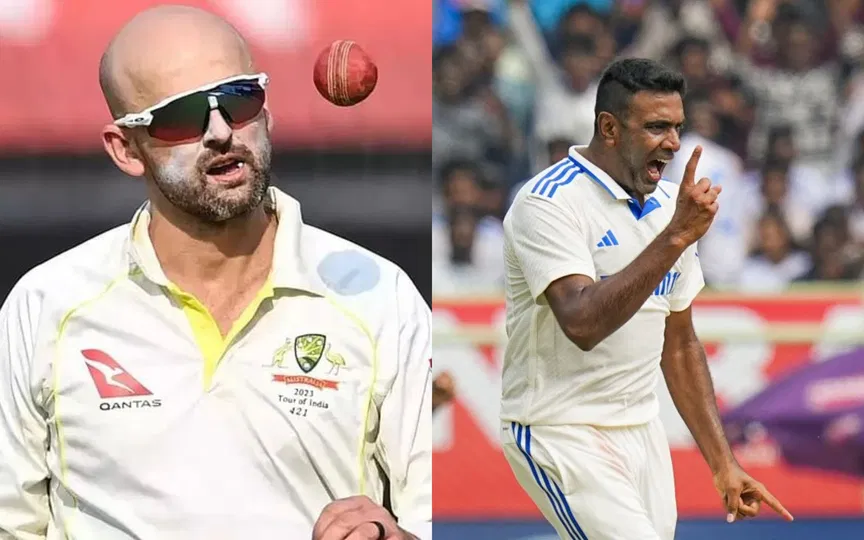
Just a few days back on the first day of the second Ashes 2025-26 Test between Australia and England, what attracted the eyeballs of the cricketing fraternity was Nathan Lyon’s bold expression after getting omitted from Australia’s playing XI. He was asked about his omission by the Seven Network, the official host broadcaster of the ongoing Ashes 2025-26.
“Absolutely filthy, but yeah, I can't do anything about it, so I hope I can play my role in making sure I get the guys ready and do whatever I can to make sure that we get the right result here,” said Lyon to Seven Network in his blunt response.
“That will happen. I'm not the first player to miss a Test match and I won't be the last. But, yeah, I'm obviously pretty gutted because I know the role that I can play within Australian cricket and especially at a venue like this.” he added later.
Omitting a spin-bowling legend of Lyon’s stature, who has scalped 562 wickets in 260 innings of the 140 games was something that raised a lot of eyebrows towards Cricket Australia. But what should be appreciated in this entire incident is Cricket Australia’s open-minded approach towards Lyon’s ‘no non-sense’ expression on his omission.
The host broadcaster also deserves to be lauded to give the modern-day bowling great a chance to express himself.
Here’s what India need to learn and follow
Furthermore, what draws the criticism for the Indian cricket culture and drives the attention to the Indian cricket culture is the stance of former India great Ravichandran Ashwin on the ‘Lyon’ episode in Australia.
Ashwin was asked about how he felt on Lyon’s blunt statement and subsequently, the former off-spin great’s statement also revealed the unspoken authoritarian approach of the administrations in their process of Indian cricket culture’s relevance.
“Nathan Lyon is lucky, if anyone is dropped from the team, the emotions would be similar to what Lyon expressed in front of the world. He got the media to express his views, and he just did that. The Australian team wouldn’t feel bad, and he would play the Adelaide Test. I am just happy for Nathan Lyon,” said Ashwin straight away on his YouTube show Ash ki Baat without dodging the question
There is something between the lines Ashwin has said clearly without even saying it and it is all about how players of ‘greatness’ stature are treated in Indian cricket culture. His own retirement in the middle of the Border-Gavaskar Trophy 2024-25 against Australia was a prime example of how most of the retirements of the veteran players are either in a ‘forced’ or a ‘pushed away’ instead of a respectful exit.
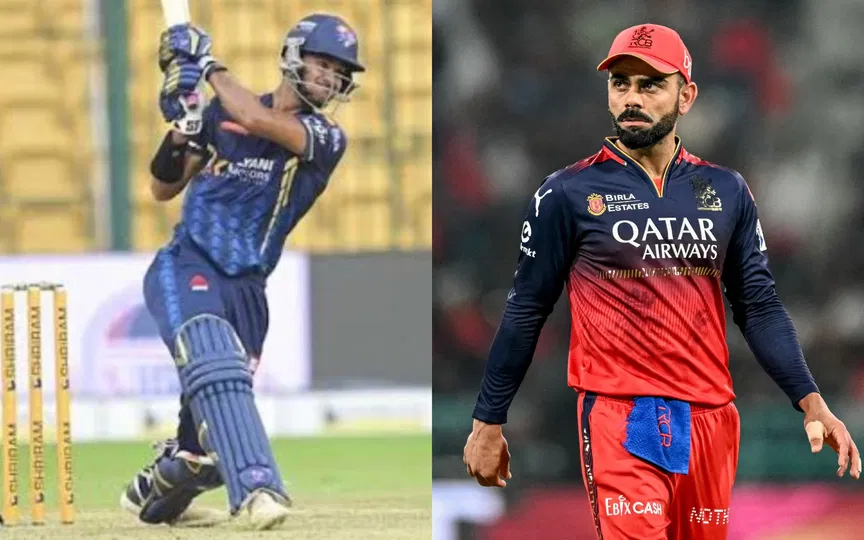
The other such instances of abrupt retirements and omissions include Rohit Sharma getting benched in the fifth Test of the same series in which Ashwin retired, followed by Rohit’s abrupt retirement. In the same line of events, the retirements of former batting heroes, Virat Kohli and Cheteshwar Pujara happened to be the reflections of ‘poor treatment of the greats’ and ‘no respect for the stature’ culture in Indian cricket.
The other Aussie incidents as ‘guidebook’ for India
In the last few years, there have also been the other incidents that have happened in Australian cricket that are quite enough to be a ‘guidebook’ for India to follow in the process of improving their cricket culture.
If Indian cricket adapts even 40-50% of that attitude, it will pave the way for a respectful exit for the greats who serve Indian cricket for a long period of time.
The Australian players unanimously going against the Cricket Australia in a pay dispute in 2017 was also a major incident that landed down in favour of cricketers. Eventually, the board agreed upon the demands of players. Both the male and female cricketers achieved success in getting the cricket board to agree upon the revenue-sharing model which was in the favour of players.
Furthermore, a couple of incidents of ‘blunt statements’ by Usman Khawaja were also treated quite professionally by Cricket Australia. Even after his tough stances on a couple of instances, Khawaja was neither dropped from the team nor faced any strict action except for a nominal ‘show cause notice’.
These are the few instances which are enough to put the Indian cricket culture ‘under the scanner’, the same cricketing administration that banned former captain Lala Amarnath just for criticising the selectors.
Conclusion: The time to realize for Indian cricket
After the entire discussion and dissection of the events and incidents, it’s the ‘need of the hour’ for the Indian cricket to realize a basic truth. It is none other than the fact that the ‘game of cricket belongs to the cricketers’.
In that case, cricket’s definition resembles the definition of democracy in the way that, “cricket is by the cricketers, for cricketers and of the cricketers’.