![BCB blocks Indian presenter from BPL. [Source - @ridhimapathak/X]](https://onecricketnews.akamaized.net/parth-editor/oc-dashboard/news-images-prod/1767765283247_Ridhima_Pathak_BPL.jpg?type=hq) BCB blocks Indian presenter from BPL. [Source - @ridhimapathak/X]
BCB blocks Indian presenter from BPL. [Source - @ridhimapathak/X]
The BPL has found itself at the centre of a fresh controversy after Indian television presenter Ridhima Pathak was dropped from this season’s broadcast lineup. Although she was originally set to join the tournament during the Dhaka phase, she will no longer be travelling to Bangladesh.
Pathak was expected to join the tournament during its Dhaka phase. However, she did not travel to Bangladesh, leading to reports that she had been dropped from the lineup.
Ridhima Pathak dropped from BPL's roster?
Some reports suggested her absence was linked to growing cricket-related tensions between India and Bangladesh, sparking widespread discussion within cricket circles.
This season, the BPL had drawn attention by appointing two well-known female presenters from neighboring countries in Pakistan’s Zainab Abbas and India’s Ridhima Pathak. Abbas was present during the Sylhet leg of the tournament, while Pathak was scheduled to take over hosting duties later in Dhaka.
However, speculation around Pathak’s absence was addressed on Wednesday when she shared a statement on her Instagram account. In her post, Pathak clarified that she had not been dropped from the assignment and that her decision to withdraw was personal, putting an end to rumors surrounding her non-participation.
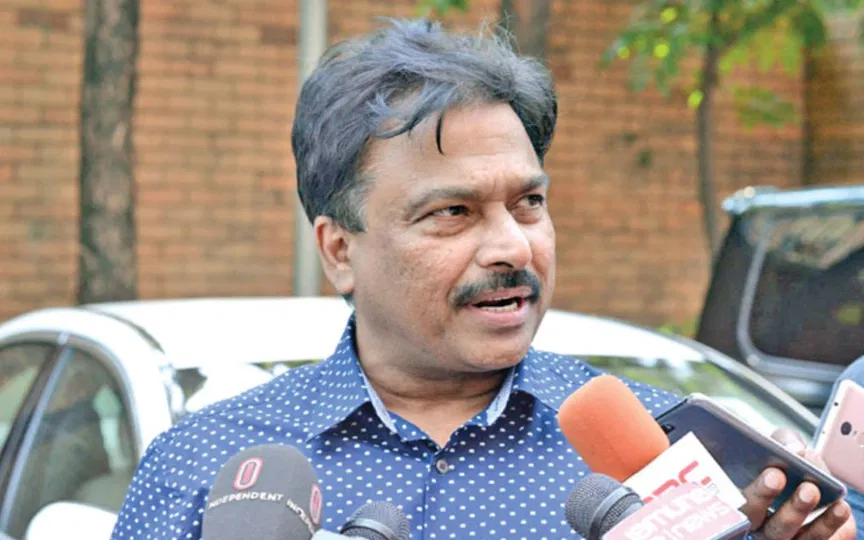
Mustafizur Rahman controversy continues to fuel India-Bangladesh cricket row
The broader context behind these developments appears to be the ongoing dispute involving Bangladesh left-arm fast bowler Mustafizur Rahman. The pacer was picked by Kolkata Knight Riders at the IPL auction but was later released after the BCCI instructed the franchise to let him go. The move caused dissatisfaction within the Bangladesh cricket establishment.
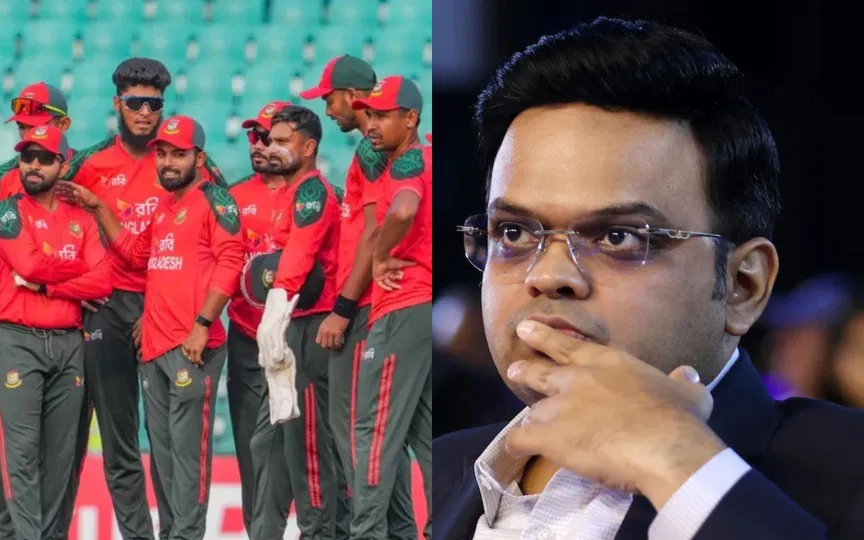
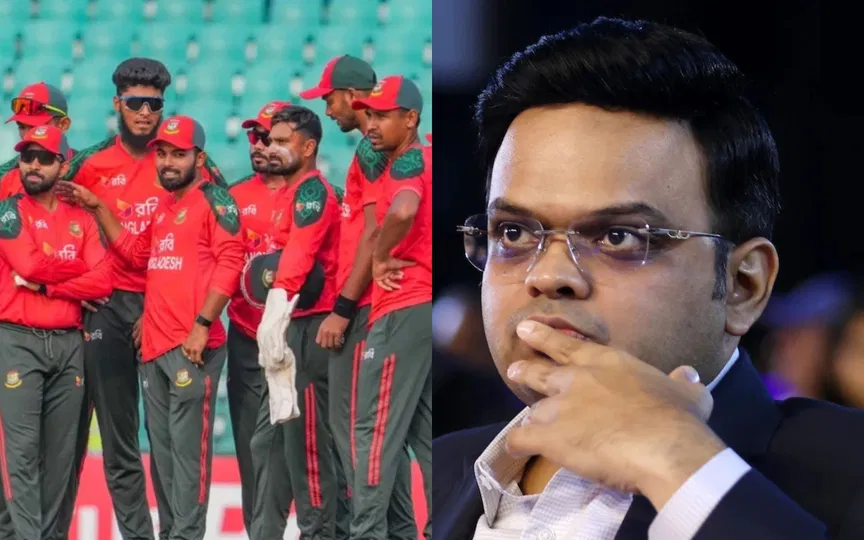
In response, the Bangladesh Cricket Board (BCB) reportedly took a firm stance by informing the ICC that the national team would not travel to India for the upcoming ICC Men’s T20 World Cup. The BCB also requested that Bangladesh’s matches be played at neutral venues.
These developments highlight how political and administrative tensions are once again influencing cricketing ties in the region, with the effects now visible both on and off the field. Many observers believe such disputes could have wider implications, especially putting the future of Asian cricket cooperation at risk.